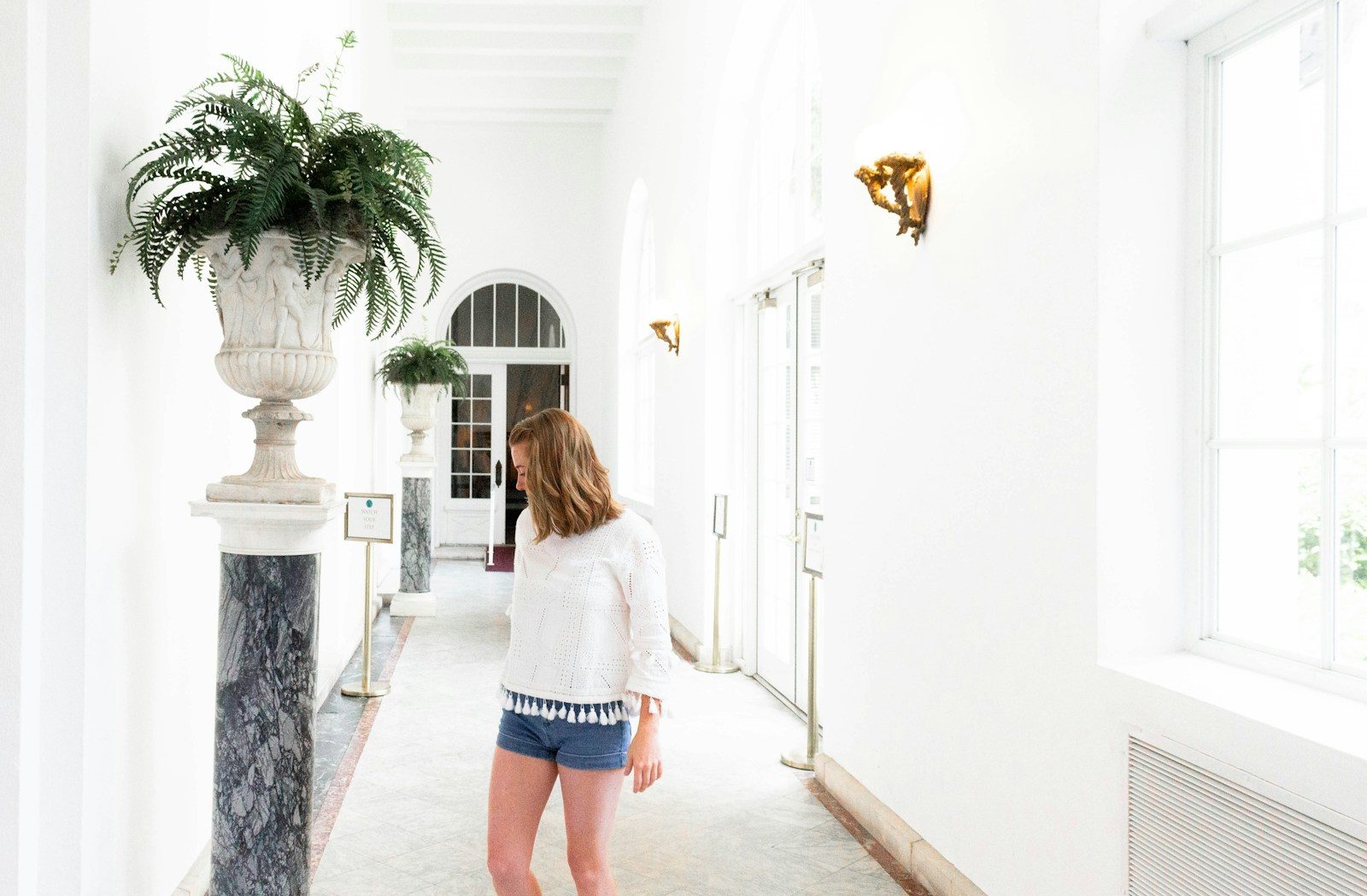
Some of the gloomiest spaces in British homes are not the obvious ones. Often it’s the hallway, landing or staircase that stays dim all day, even in summer, because these areas sit in the middle of the house with no clear spot for a proper window. We tend to accept that as part of the layout, then compensate with lamps, spotlights and a bulb by the front door that is always on.
Yet these in-between spaces do a lot of quiet work. They set the tone when you come home, connect the rooms you actually use, and shape how spacious a house feels. A brighter landing can make an upstairs floor seem calmer and more open. A naturally lit staircase also feels safer and less enclosed, especially in older properties where turns and narrow treads already make moving about a bit awkward.
That is one reason more householders are looking upwards instead of outwards. In renovation forums and self-build discussions, sky light windows often come up not as a style statement but as a practical fix for neglected parts of the home. A roof opening above a stairwell or top-floor corridor can draw daylight into the centre of the plan without giving up privacy.
Where it can make the biggest difference
- Upper landings with no external wall
- Staircases in terraced houses
- Boxy entrance halls in extensions
There is also a wellbeing argument here that has nothing to do with trends. Natural light helps people read a space properly. It softens corners, reduces that slightly airless feeling and can even make routine jobs, like carrying washing upstairs, feel less dreary. Not every home needs dramatic glazing or a full architectural rethink. Sometimes a better source of daylight in the circulation areas is enough to change the mood of the whole house.
Photo by Tessa Edmiston.